

EXPLAINER: Forced Labor Becomes the Legal Backbone of Trump's Global Tariff Wall
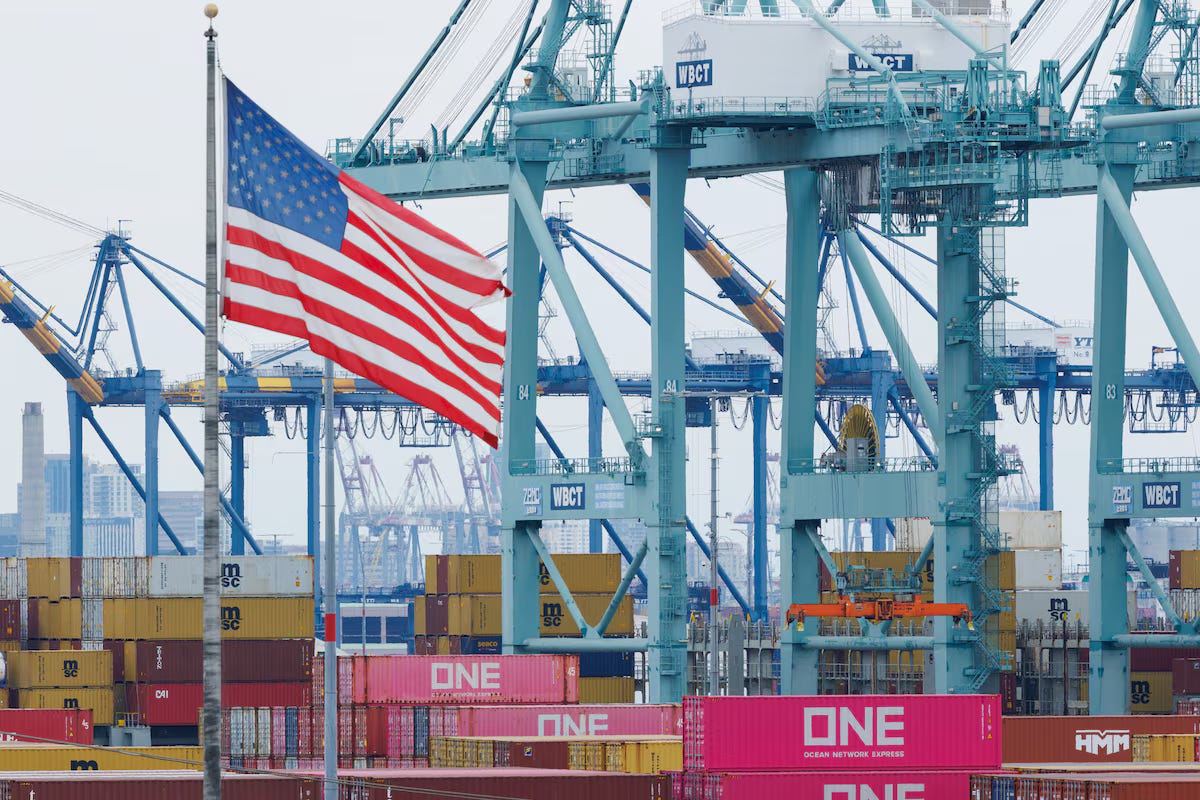
New U.S. duties of 10% and 12.5% hit imports from 60 trading partners on Friday, replacing an expiring stopgap levy and anchoring a near-universal tariff to forced labor enforcement.

Summary:
The United States will collect duties of 10% and 12.5% on imports from 60 trading partners, including the European Union, starting Friday
The administration is invoking Section 301 of the Trade Act of 1974, a statute aimed at unfair foreign trade practices
Oil and gas, fertilizer, certain foodstuffs and goods already covered by national security tariffs are among the exemptions
THE UNITED STATES will begin collecting tariffs of 10% and 12.5% on goods from 60 trading partners, including the European Union, at 12:01 a.m. EDT on Friday (0401 GMT), citing weak foreign enforcement of bans on goods made with forced labor. The new duties take effect at the moment a temporary 10% global tariff expires, leaving no gap in the near-universal tariff wall Donald Trump has pursued since his 2024 campaign.
The levies are the administration’s third legal vehicle for a worldwide tariff since last year, and the first to rest on human rights enforcement. Senior administration officials announced the duties on Thursday. Goods already in transit are exempt until 12:01 a.m. EDT on July 28.
What Takes Effect on Friday
Imports from countries that have enacted adequate laws against forced labor will pay the lower 10% rate. Imports from countries the administration judges to have inadequate bans will pay 12.5%.
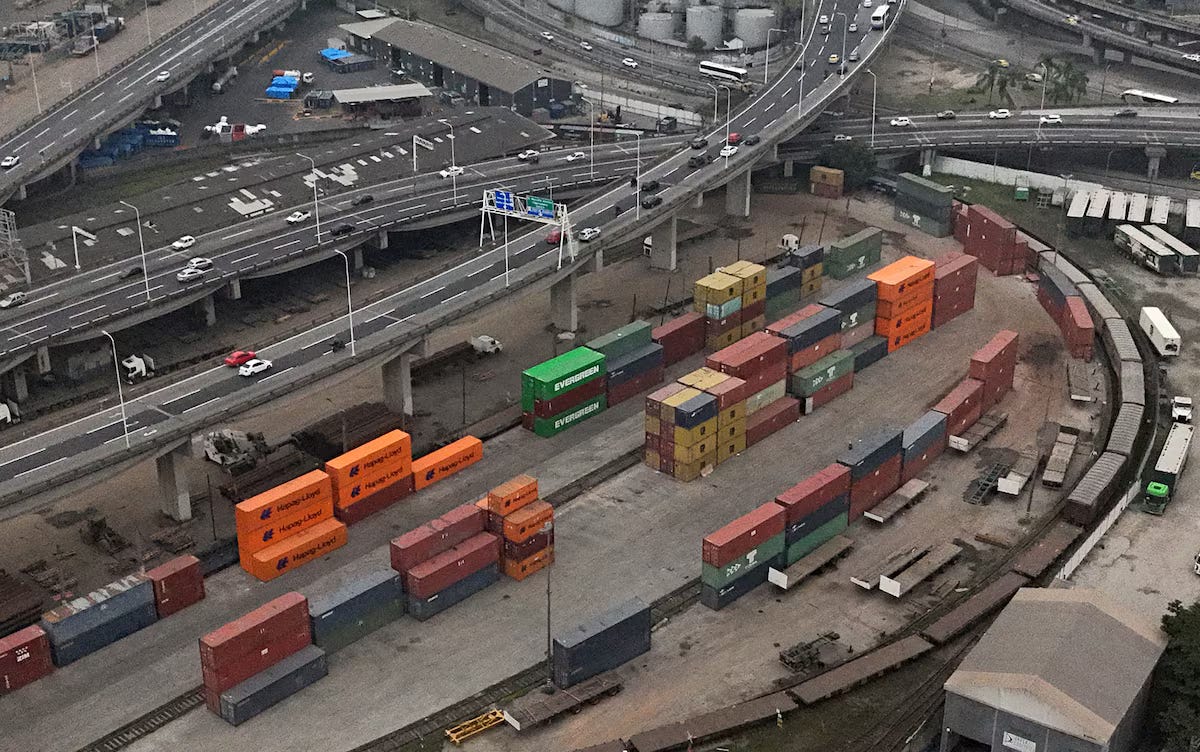
The final structure largely tracks duties proposed on June 1, when the Office of the U.S. Trade Representative completed investigations of 60 economies under Section 301 of the Trade Act of 1974, the statute governing U.S. responses to unfair foreign trade practices. Recent actions and legislation in some countries, including India, moved them into the lower tier after the duties were first proposed.
How the Tariffs Got Here
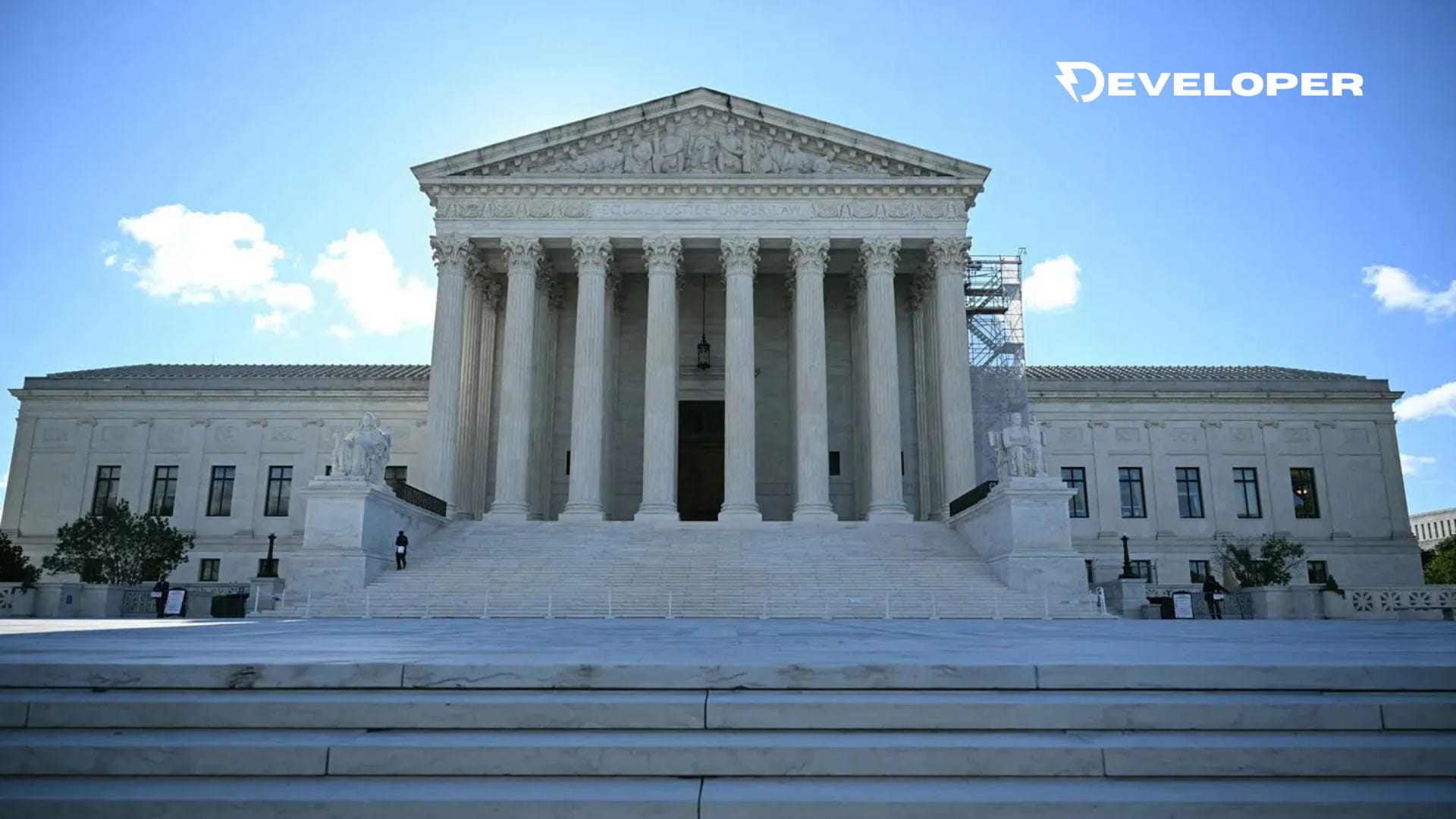
The Supreme Court in February struck down Trump’s “reciprocal” tariffs of 10% to 50%, ruling that a national emergencies law he invoked last year to shrink the U.S. trade deficit did not authorize them. Trump answered with a temporary 10% global tariff under Section 122 of the Trade Act of 1974, a provision written for balance of payments crises that caps duties at 15% and limits them to 150 days without an act of Congress.
That clock runs out on Friday. A senior administration official disputed suggestions that the forced labor duties simply replace the expiring levy, despite the identical timing, similar rates and coverage spanning nearly all U.S. imports.
Why Forced Labor
U.S. law has prohibited imports made with forced labor since 1930, and the Uyghur Forced Labor Prevention Act of 2021 hardened that regime, presuming goods tied to China’s Xinjiang region are tainted unless importers prove otherwise. A senior administration official said the United States maintains stronger import bans on forced labor goods and enforces them more rigidly than any other country, handing rivals with laxer regimes an unfair trading advantage. The official cited bipartisan calls in Congress to purge forced labor from global supply chains: “so we’re really responding to that call.” Trump, the official added, would “always use the tools at his disposal to achieve his trade policy objectives, and that includes tariffs.”


The Office of the U.S. Trade Representative posted past statements against forced labor from 15 lawmakers of both parties as the duties were announced. One of them, Representative Linda Sánchez of California, rejected the rationale, writing that Trump "isn't serious about combating forced labor" and is "trying to make an end-run around the Supreme Court and Congress to reimpose his illegal tariffs."
What Is Exempt
Oil and gas, fertilizer and certain foodstuffs escape the new duties. So do goods already subject to Section 232 national security tariffs, including autos, steel, aluminum and copper.
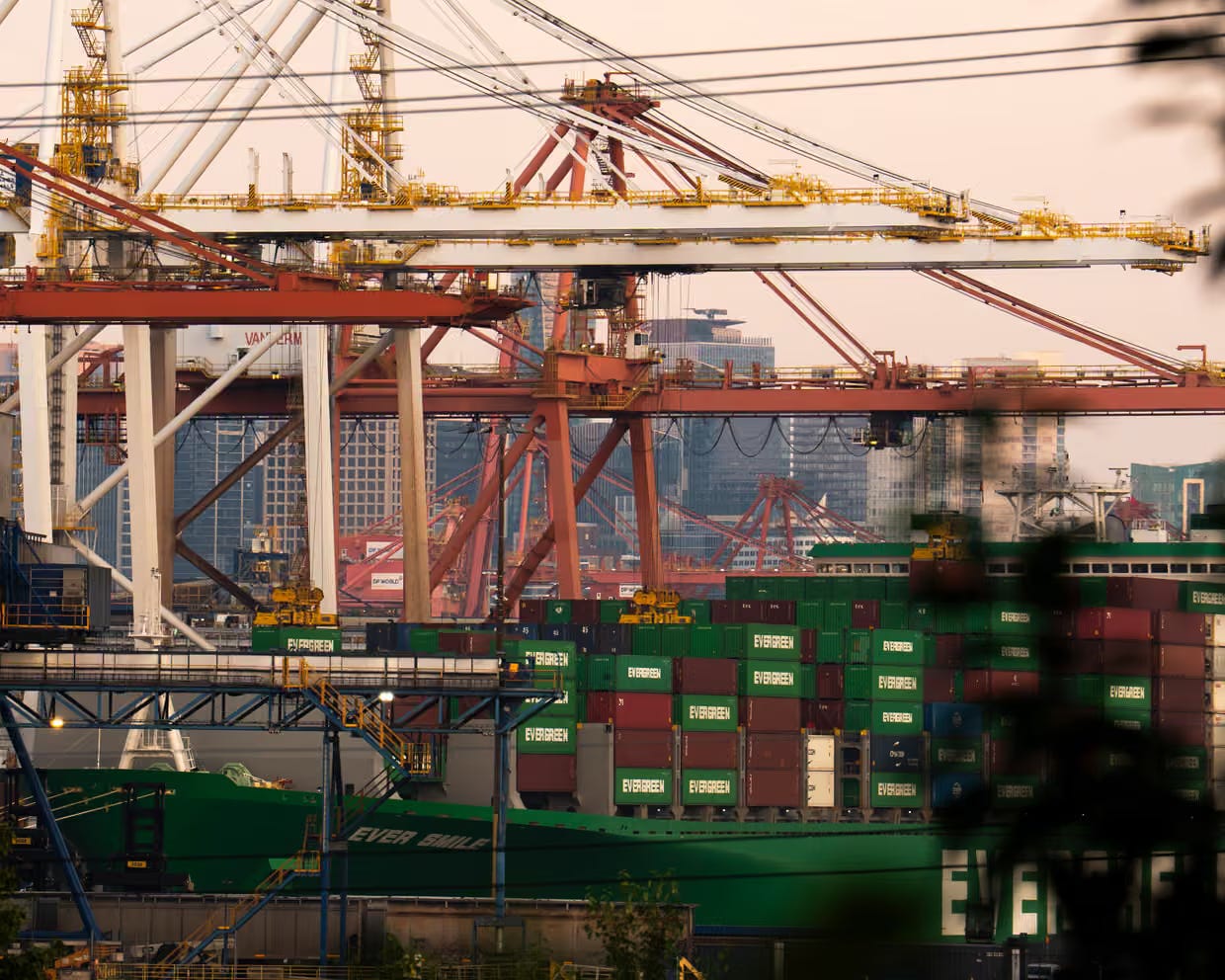
Goods that comply with the U.S.-Mexico-Canada Agreement are also spared, a carve-out officials attributed to the deeply integrated North American supply chain and the high share of U.S. content in those products. That shield reaches only these duties: separate 50% tariffs on Canadian alcohol, dairy and hundreds of other product lines, imposed Monday under Section 338 of the Tariff Act of 1930, take effect August 19 with no USMCA exemption.
Why It Matters
The duties restore near-blanket coverage of U.S. imports on a statute with a long record in court, one the first Trump administration used for its tariffs on Chinese goods. Section 301 requires country-by-country investigations and findings, giving the new regime firmer procedural footing than the emergency powers the Supreme Court rejected.
The structure also turns forced labor enforcement into a pricing mechanism at the U.S. border. Countries that pass and enforce import bans pay less, and India’s move into the 10% tier shows governments already legislating in response. For importers, the arithmetic changes little on Friday: a 10% floor remains under nearly every shipment, with a 2.5-point premium now attached to sourcing from countries deemed lax on forced labor. Whether courts sustain this third foundation—with country-specific duties against Canada now stacked on a fourth statute—will decide if the tariff wall Trump promised on the campaign trail becomes a permanent feature of U.S. trade policy.
A Quick Ask: Because Independent Journalism Does Not Fund Itself.
Press freedom does not survive on vibes. It survives because readers decide the work is worth protecting. The Developer is independent, ad-free, and reader-funded—which means your support goes directly into the reporting, not into some billionaire’s pocket, corporate boardroom, or cowardly institution waiting for permission to fold. If my work helps you stay informed, consider upgrading to paid: $8/month or $80/year. If upgrading isn’t possible right now, sharing The Developer with someone who needs to read it matters just as much. Help keep independent journalism alive, loud, and impossible to buy.


