


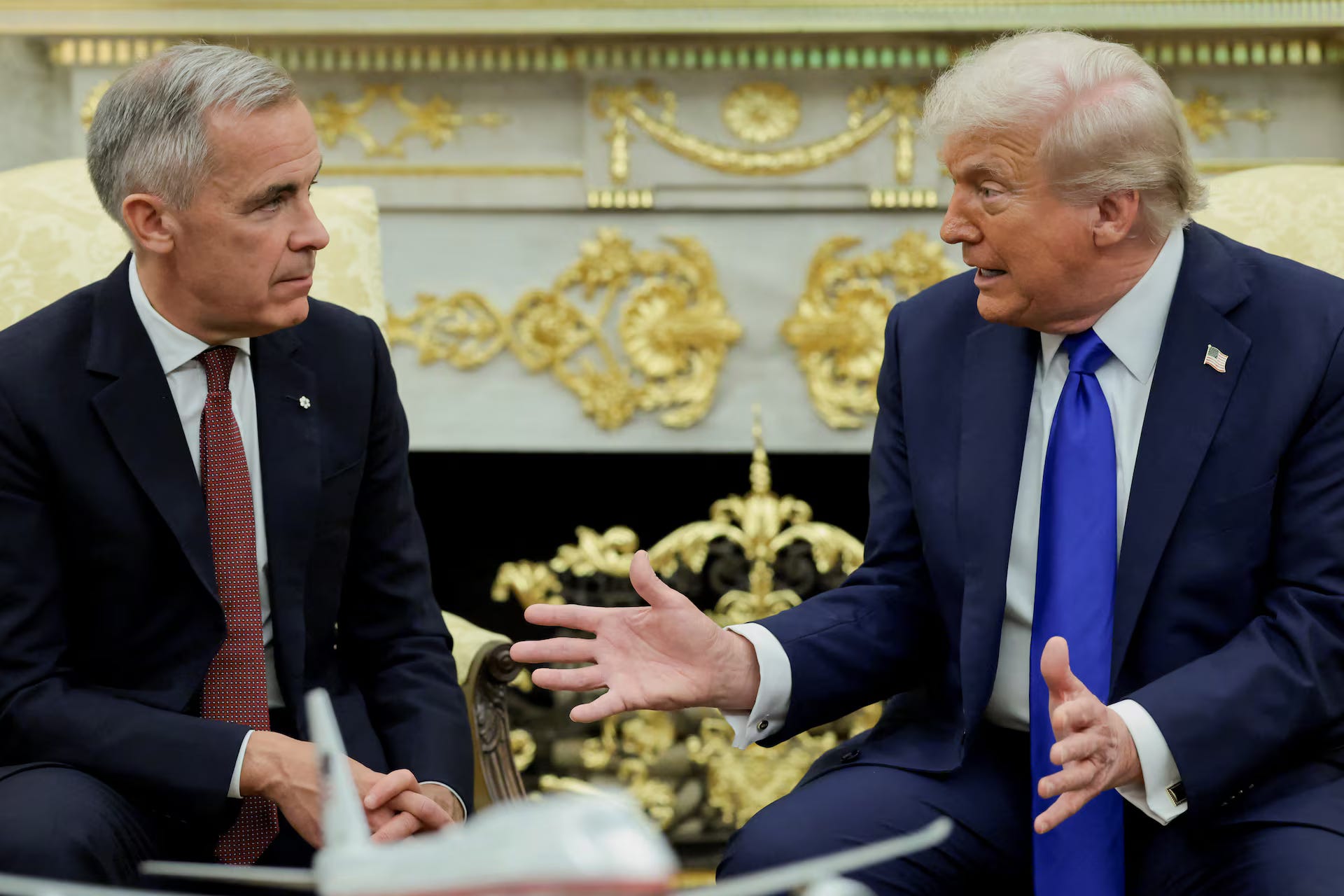
CANADA secured a three-day reprieve from 50% U.S. tariffs after reaching an agreement with Trump administration officials hours before the duties were scheduled to take effect.
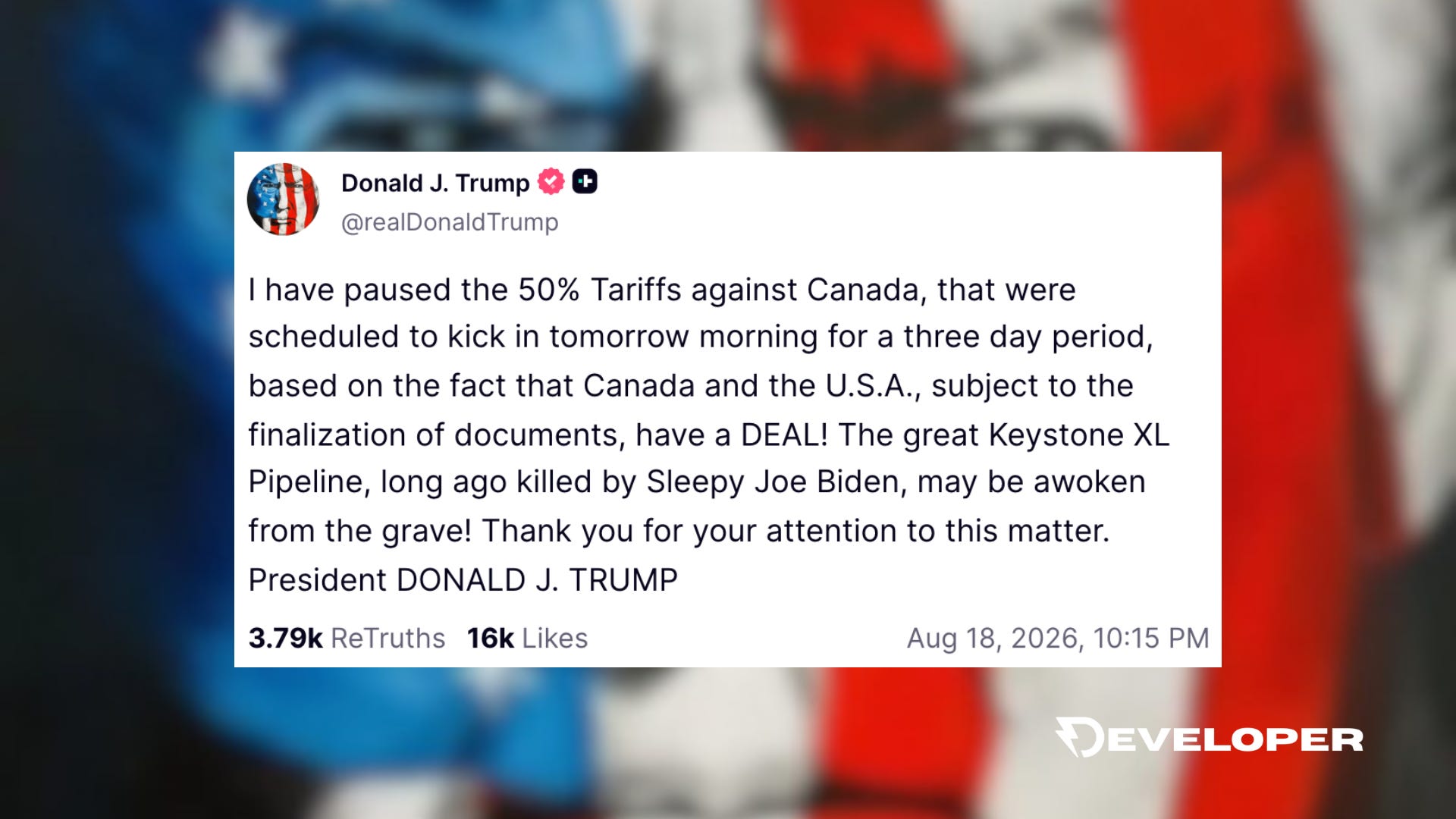
Donald Trump announced the pause late Tuesday, saying it was granted “based on the fact that Canada and the USA, subject to the finalization of documents, have a DEAL!”
The tariffs would have applied to about $20 billion in Canadian goods beginning early Wednesday. The affected exports included wine, hockey sticks and other products covered by the administration’s July tariff action.
Canadian Prime Minister Mark Carney said the negotiations had produced “substantial progress” toward a trade agreement and that more work was required.
“While we continue this work, Canada remains focused on building a stronger, more independent and more competitive economy at home,” Carney said.
The announced measure is a three-day pause. Final documents remain unfinished, leaving the tariffs in place as a continuing threat to Canadian exporters. Certain goods covered by the United States-Mexico-Canada Agreement, or USMCA, were not protected from the proposed duties.
Trump introduced a separate source of uncertainty in the same social media post. He said the Keystone XL oil pipeline “may be awoken from the grave.”
Trump provided no further details and gave no indication that the pipeline was connected to the tariff agreement.
Keystone XL was proposed in 2008 as a 1,200-mile pipeline carrying crude from Canada’s western oil sands to U.S. refiners.
The project became a flashpoint in U.S.-Canada relations. U.S. landowners, Native American tribes and environmental groups opposed it, raising concerns that pipeline spills could damage land and water. Similar concerns have driven opposition to other North American oil pipelines, including Dakota Access and Enbridge Line 3.
President Joe Biden revoked a permit needed for the pipeline’s U.S. section in January 2021. Owner TC Energy terminated the project five months later.
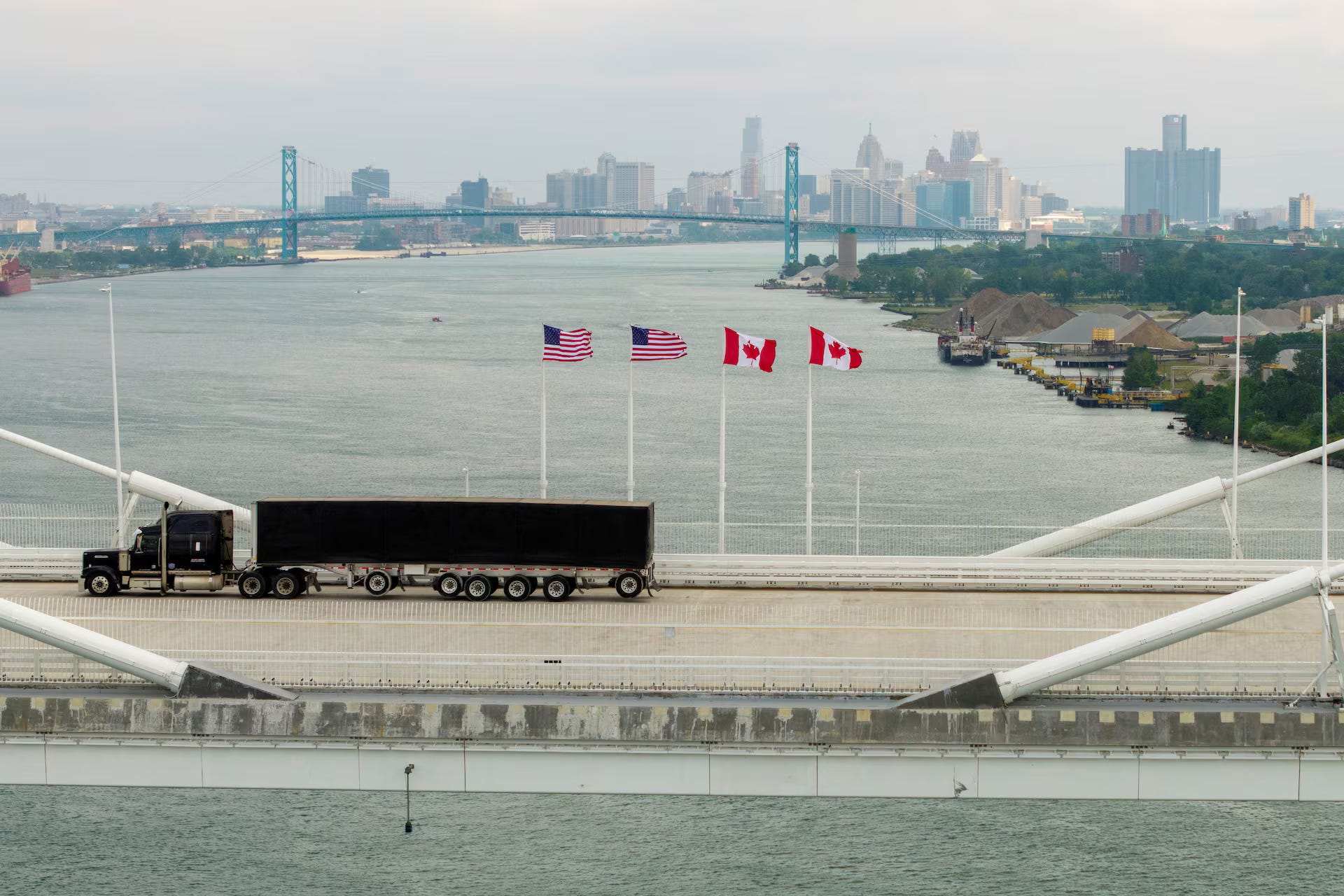
The tariff pause follows a contentious period between countries that have historically maintained a close alliance and extensive trading relationship. Tit-for-tat duties and Trump’s online statements about turning Canada into a U.S. state have placed that relationship under sustained pressure.
The White House announced a 25% tariff on Canadian imports in February 2025, accusing Canada of making inadequate progress against illegal immigration and drug trafficking across the border.
Canada responded with reciprocal tariffs and described the U.S. action as “unwarranted and unreasonable.” The Canadian government said it had implemented a broad border-protection plan and that less than 1% of fentanyl and illegal crossings into the United States came from Canada.
Tensions rose again in July 2026 when the White House announced the additional 50% duties. The administration said Canada had discriminated against American-made vehicles, alcoholic beverages and dairy products.
Officials from both countries entered intensive negotiations as the deadline approached. Carney described the discussions as “intense and delicate” on Monday.
The economic stakes extend beyond the goods targeted by the latest tariff order. U.S. goods and services trade with Canada totaled an estimated $909.1 billion in 2024, underscoring the scale of the commercial relationship.
Canadian business owners had warned that the 50% duties could cause severe financial damage and make export costs impossible to sustain. The three-day reprieve postpones that risk as the two governments work to complete their agreement. Trump’s reference to Keystone XL places a second disputed issue alongside the unresolved tariff negotiations without defining a connection between them.

A Quick Ask: Because Independent Journalism Does Not Fund Itself.
Press freedom does not survive on vibes. It survives because readers decide the work is worth protecting. The Developer is independent, ad-free, and reader-funded—which means your support goes directly into the reporting, not into some billionaire’s pocket. If my work helps you stay informed, consider upgrading to paid: $8/month or $80/year. If upgrading isn’t possible right now, sharing The Developer with someone who needs to read it matters just as much. Help keep independent journalism alive and impossible to buy.


No deal with Trump is ever a done deal. And nobody expects it to be anymore. And that does US companies no favor.