


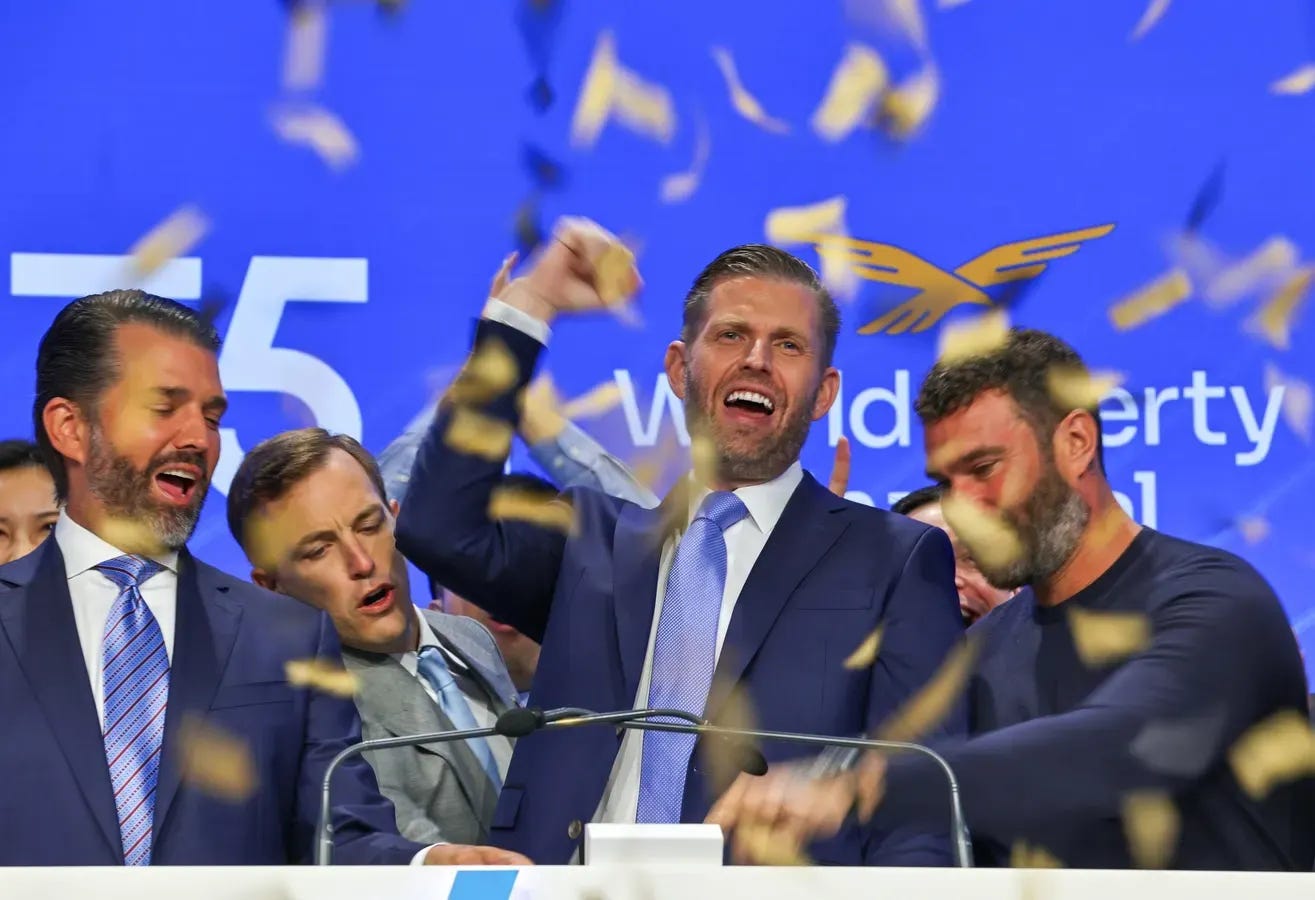
THE COMPANY at the center of Donald Trump’s family crypto empire is one step away from operating a federally chartered bank. On Friday the Office of the Comptroller of the Currency, the national regulator that oversees U.S. banks, granted conditional preliminary approval to World Liberty Trust Company, the banking arm of World Liberty Financial, the crypto venture co-founded by the president and his three sons. The decision hands a business that has already generated well over a billion dollars for the first family a foothold inside the regulated banking system, and it lands amid unresolved questions in Congress about foreign investors and conflicts of interest.
What the Regulator Has Approved
World Liberty Trust Company applied in January for a national trust charter, a narrower license than the one held by a conventional bank. A trust bank can hold and manage assets on behalf of customers and settle payments quickly. It cannot, as a general matter, take deposits or make loans.
Friday’s decision is preliminary and conditional. Before a final charter is issued, the firm must hold at least $20 million in capital, hire a qualified employee as its internal audit manager, and notify the regulator of any major changes to its business plan. Conditions of this kind are standard features of OCC charter approvals.
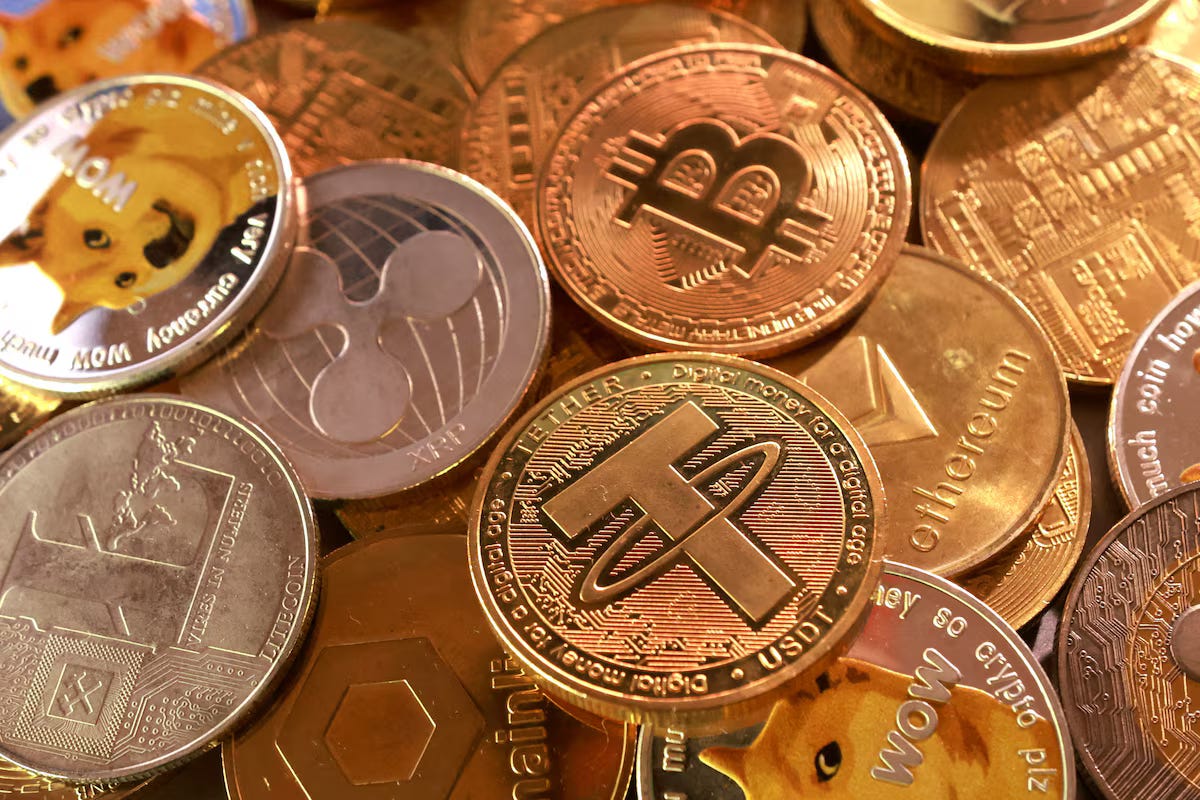
For World Liberty, the practical effect is consolidation. The company’s USD1 stablecoin is currently issued by a business partner, BitGo, which also holds custody of the U.S. dollar assets backing it. Under a full charter, both functions would move in-house to the new trust bank.
The firm called the approval a “milestone” in its push to open the bank. “A national trust bank brings USD1 issuance, custody, and reserve management together under OCC supervision, examined on the same standards that have governed banks for generations. We welcome continuous scrutiny from Federal regulators for many years to come,” Zach Witkoff, World Liberty Trust’s president and chairman, said in a statement.
The Road to a Charter
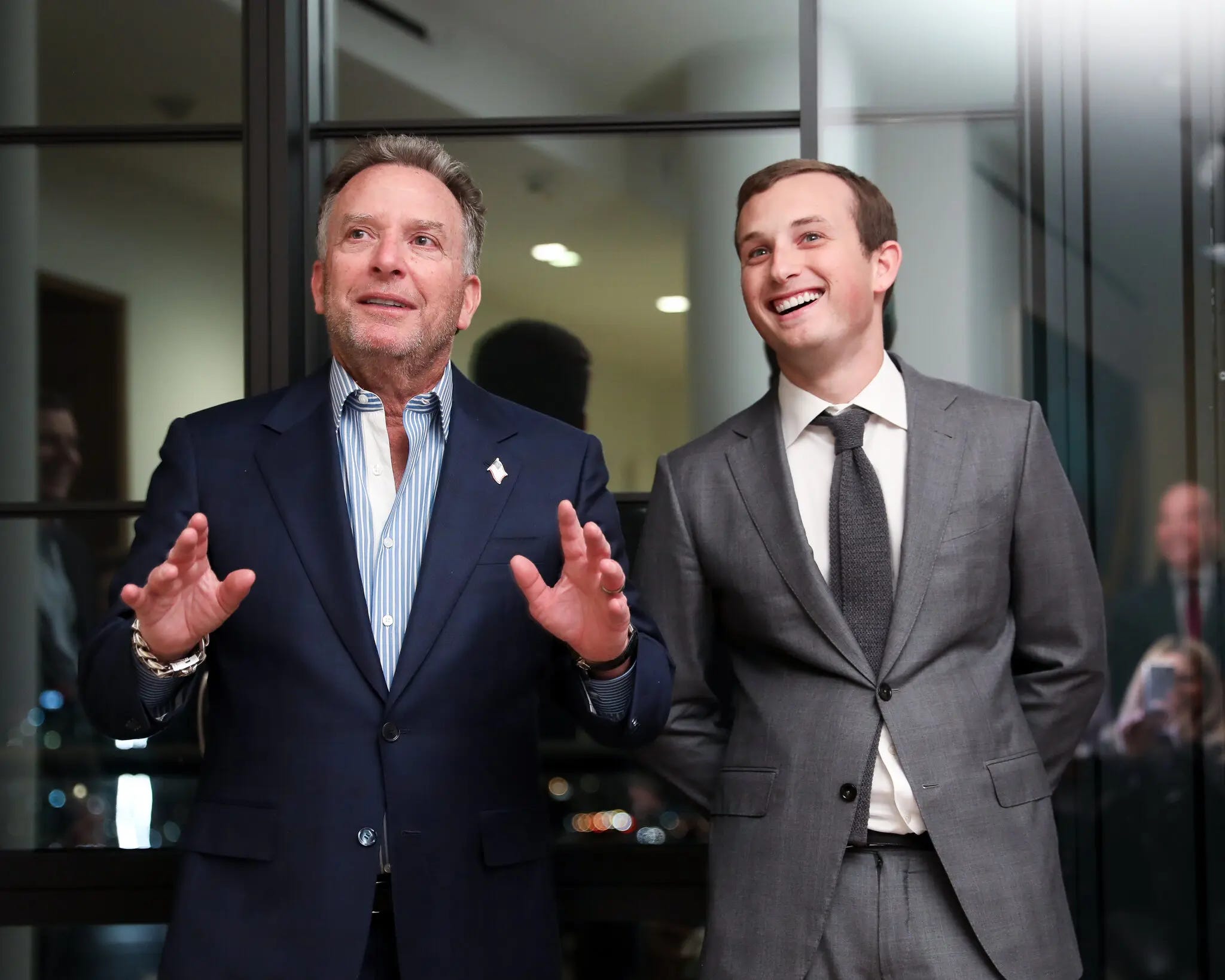
World Liberty Financial was founded in late 2024 by Trump, his three sons and the Witkoff family, longtime allies of the president. Zach Witkoff, the venture’s chief executive, is the son of Steve Witkoff, Trump’s special diplomatic envoy. Steve Witkoff’s brother Robert, a former insurance executive, will sit on the trust bank’s board, and Scott Alper, president of the Witkoff family’s real estate business, is a proposed director.
The venture pitches itself as a way to democratize finance, letting anyone bypass a traditional banking system the Trumps have described as restrictive and unfair. Its flagship product, USD1, was announced in March 2025 and marketed as a safe, dollar-backed asset giving holders access to financial products on the blockchain. It has grown at speed: with a market capitalization of roughly $4 billion, it now ranks as the fourth largest stablecoin in the world.
The charter bid rode a wider industry wave. With the administration openly friendly to crypto, firms have queued at the OCC’s door seeking trust charters, which let them hold client assets nationwide under a single federal license and court major institutional customers. Ripple and Circle won preliminary approvals in December under Comptroller Jonathan Gould, whom Trump appointed last year.
Where the Money Flows
The financial interest of the president’s family in this decision is direct and substantial. World Liberty Financial had funneled upwards of $1.6 billion to Trump and his relatives as of April, according to a Reuters investigation, making it the most prominent of the family’s crypto ventures. The news agency estimated the family earned about $50 million from USD1 alone through the end of June 2026.
Foreign money is part of the picture too. In its approval letter, the OCC acknowledged public comments raising concerns about non-U.S. investors in World Liberty Financial. The regulator said those investors do not count as principal shareholders in the bank, and that several investors, including some outside the U.S., signed passivity agreements promising they would seek no control or influence over the bank’s operations or decisions. Among the signatories was Eric Trump, the president’s son, signing as president of a Trump-family affiliated investment vehicle.
The Conflict-of-Interest Fight
The arrangement has alarmed Democrats, who argue that a charter for the president’s family business poses a major conflict of interest. Their concern is structural: the OCC sits inside the Treasury Department and, unlike many financial regulators, answers to a single presidentially appointed comptroller, with no bipartisan board above him. The official who approved the application owes his job to the man whose family stands to profit from it.
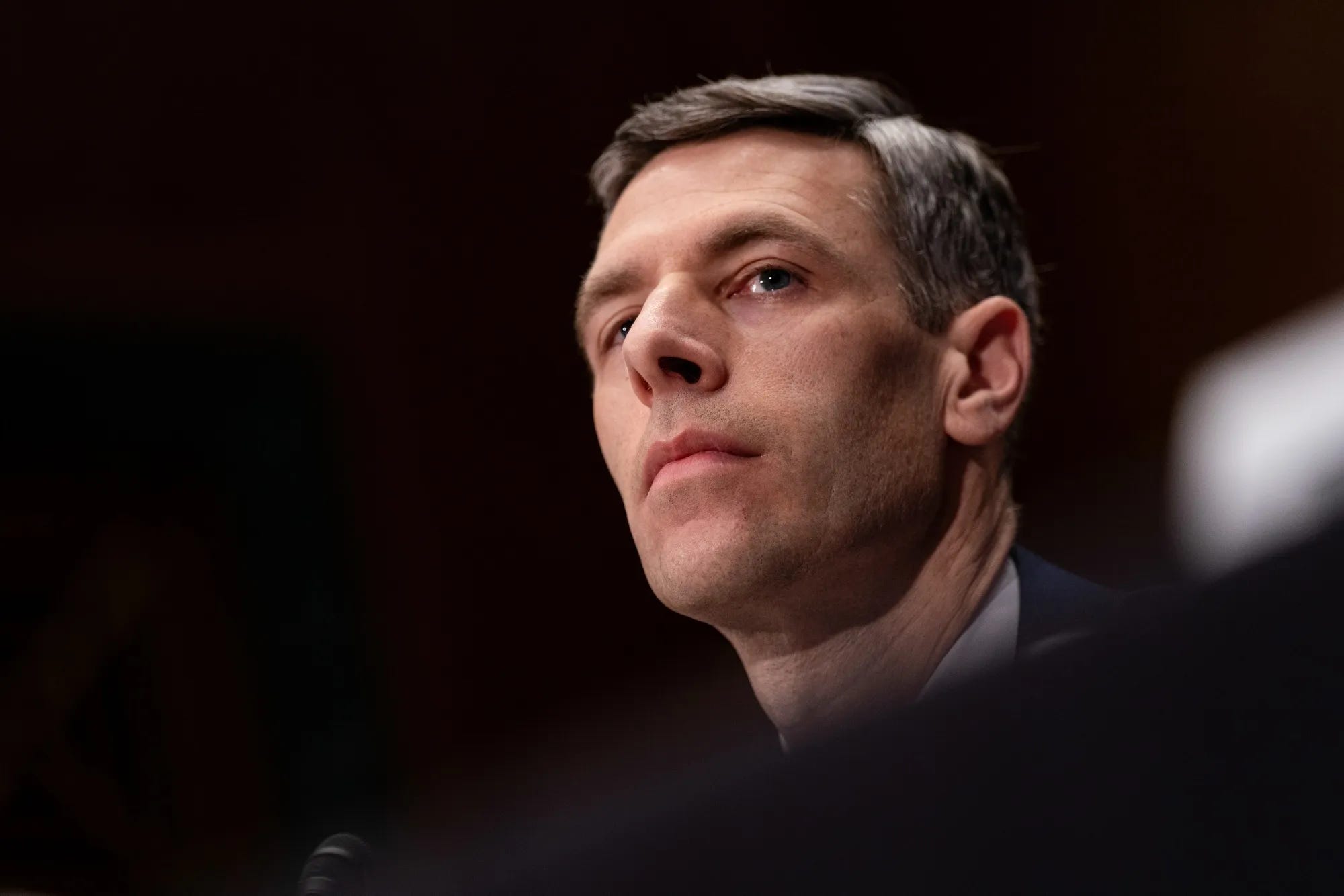
At a congressional hearing in February, Democrats pressed Gould to confidentially share the company's unredacted application, because the public version withheld full details of its capital structure and business plans. That same month, Democratic Sens. Elizabeth Warren and Andy Kim asked the Treasury secretary to examine the national security implications of a reported $500 million stake in World Liberty Financial purchased in a deal linked to the United Arab Emirates' national security adviser.
The OCC has defended its handling of the case. In the approval letter, the agency said Gould and staff “acted consistently with their statutory duties and ethical obligations with respect to the application,” adding that career staff reviewed the filing and that nonpolitical examiners would supervise the bank.
What Comes Next?
Friday’s decision opens a door without walking the company through it. Final approval would come at a later date, once the OCC is satisfied the conditions on capital, staffing and business planning have been met. If that happens, the issuance of USD1 and the custody of its reserves would shift from BitGo into a bank examined by federal supervisors, giving the Trump family’s most lucrative crypto venture the credibility of a national charter as it pursues institutional clients.
The political scrutiny will continue in parallel. The Democrats’ request for a national security review of the reported UAE-linked stake remains before the Treasury, and lawmakers have signaled they intend to keep pressing for access to the full application. The company, for its part, says it welcomes the attention—“for many years to come.”

A Quick Ask: Because Independent Journalism Does Not Fund Itself.
Press freedom does not survive on vibes. It survives because readers decide the work is worth protecting. The Developer is independent, ad-free, and reader-funded—which means your support goes directly into the reporting, not into some billionaire’s pocket. If my work helps you stay informed, consider upgrading to paid: $8/month or $80/year. If upgrading isn’t possible right now, sharing The Developer with someone who needs to read it matters just as much. Help keep independent journalism alive and impossible to buy.


Oh what fresh hell is this from the grifting family! They've not made enough billions in a year and a half they want more greedy bastards! I hope their Day of Reckoning comes soon like really really soon!
Wow. A bank run by felons for felons.