

EXPLAINER: The Epstein Files Fallout and the Unraveling of the Global Elite
From royal palaces to Wall Street boardrooms, the new Epstein files are triggering resignations, criminal probes, and on-camera reckonings—the first real crack in the global cartel.

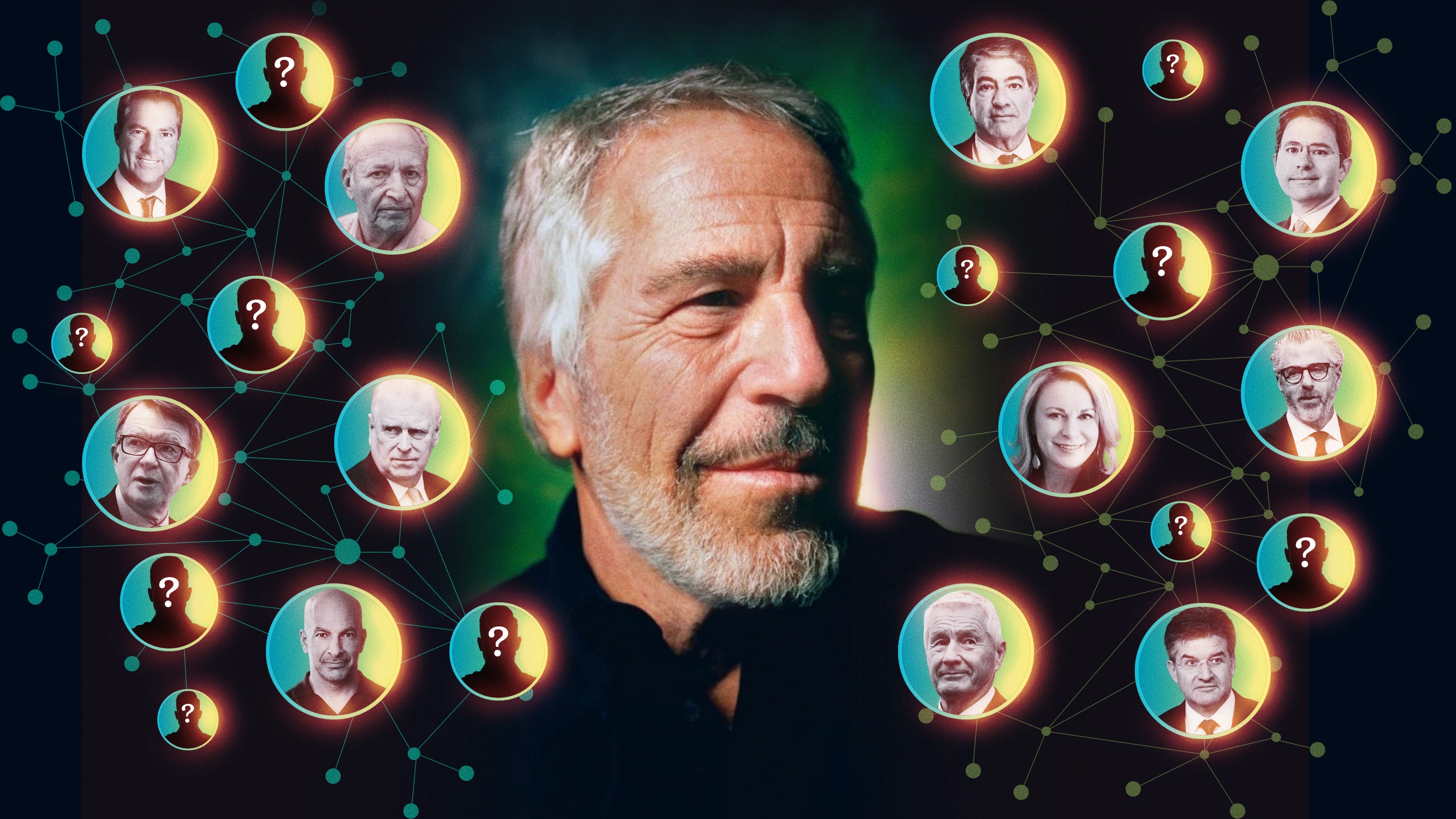
THE EPSTEIN DAM everyone said would never break is finally cracking. With the Justice Department dropping more than 3 million pages of “Epstein files” under the Epstein Files Transparency Act, names that once floated around as rumor are suddenly attached to emails, travel logs, and internal memos with government letterhead. What used to be framed as conspiracy theorizing now reads like a global personnel file of people who thought proximity to Jeffrey Epstein was a networking strategy, not an ethical choice. The result is what political consultants fear most: consequences that spill across borders, parties, and industries at a global scale, all at once.
A quick note before we dive in. This work at The Developer exists because people like you decide independent, one-man, ad-free journalism is worth keeping alive. If you want to help me keep following the Epstein files wherever they lead, you can upgrade to a paid subscription for $8/month or $80/year—but if that’s not possible, sharing The Developer with friends, family, and your feeds does just as much damage to the people who are still counting on your silence.
Start in Britain, where the political fallout has landed squarely on Peter Mandelson. Newly released documents and emails have already prompted UK authorities to open a criminal investigation into his post-conviction contacts with Epstein, including social and financial dealings that continued long after Epstein was a registered sex offender. Prime Minister Keir Starmer has delivered a rare televised apology, telling voters that the country’s institutions failed to keep their distance from a known predator and promising cooperation with investigators. Meanwhile, Global Counsel, the high-priced lobbying shop Mandelson co-founded, has shoved him offstage: CEO Benjamin Wegg-Prosser resigned after the emails surfaced, and the firm is now scrambling to distance itself from the man who was once its calling card.
The shockwaves aren’t stopping at the English Channel. In Lithuania, prosecutors have opened a human trafficking investigation that flows directly out of the new document trove, examining whether local intermediaries helped funnel women into Epstein’s network. In Poland, authorities have launched a criminal probe into Epstein’s alleged ties with Russian intelligence and the broader Russian state—an extraordinary situation where a Central European government is now using U.S.-released files to scrutinize potential Kremlin links to a convicted American sex trafficker. When you are running police investigations in two NATO countries off the same American document dump, the story has left the “salacious gossip” phase and entered the geopolitics curriculum.

A different kind of reckoning is underway in the diplomatic and NGO world, where people who built careers on human rights branding are suddenly learning what their inbox looks like in the cold light of discovery. In Sweden, Joanna Rubinstein has resigned from her role with Sweden for UNHCR after newly disclosed records showed a 2012 visit to Epstein’s Caribbean residence and subsequent contact, a grotesque look for someone whose official job was helping refugees. In Slovakia, national security adviser Miroslav Lajčák has stepped down after his own messages with Epstein—mixing “jokes” about women and diplomacy—surfaced in the files; he insists the exchange was “light-hearted,” but offered his resignation so the scandal would not engulf the government. Norway has its own problem: former prime minister and ex-Nobel Committee chair Thorbjørn Jagland is under investigation for “aggravated corruption” related to Epstein-linked dealings, a phrase usually reserved for mafias and kleptocrats, not peace-prize gatekeepers. And in New York’s art world, curator David A. Ross has resigned from his department chair at the School of Visual Arts after emails showing him minimizing and bantering about Epstein’s crimes became public, detonating the myth that only politicians and bankers were in on the act.


On Wall Street and in white-shoe law, the cleanup is even uglier because the money at issue has commas in the wrong places. Billionaire financier Leon Black technically fell years ago—he stepped down as CEO and chairman of Apollo Global Management in 2021 after an internal review found he had paid Epstein roughly $150 million for “tax and estate planning” advice. The new files, plus a fresh Senate Finance Committee push, have dragged that relationship back into the headlines by showing just how relentless Epstein was in demanding cash and how dependent Black became on his schemes. Now we have a new fall: Brad Karp, the famously connected chair of powerhouse law firm Paul Weiss, has resigned his post after emails revealed years of chummy contact with Epstein, including legal strategizing around the 2008 plea deal and social favors like golf-club access and Woody Allen screenings. Karp will stay on as a partner, but the symbolism is the point: one of the most powerful lawyers in America has just been demoted by his own partners because of what the files show.
Academia and Big Tech are getting a taste of the same medicine. Former Treasury secretary and ex-Harvard president Larry Summers has resigned from the board of OpenAI and stepped back from teaching and other high-profile roles after emails showed a long-running, friendly relationship with Epstein that went well beyond a stray meeting or two. Harvard has opened a new investigation into faculty ties to Epstein, and Summers is now the most prominent example of what “adjacency” looks like when the emails land on a public server.
Then there is the wellness-industrial complex, which marketed itself as morally elevated while cashing in on people’s fear of death. Longevity doctor and bestselling author Peter Attia has stepped down as chief science officer of protein-bar startup David Protein after his name appeared more than 1,700 times in the files, in years of friendly and sometimes crude emails with Epstein—well after Epstein’s conviction was public record. The bar company scrubbed his image from its website, other brands quietly erased him from advisory boards, and CBS News yanked a planned 60 Minutes rerun featuring Attia while executives argue over whether to keep him as a contributor at all. For a man who built an empire on “evidence-based” living, the evidence in his inbox is now doing more to shorten his career than extend anyone’s life.
Culture and sport aren’t immune either. Emails released by the Justice Department show LA28 Olympics chair and talent-agency boss Casey Wasserman trading warm, even flirtatious messages with Epstein associate Ghislaine Maxwell in the early 2000s, prompting Los Angeles County supervisors and artists to call for his resignation from the Olympic organizing committee. Wasserman insists there was no business relationship and that he regrets the correspondence; that line is doing little for musicians and athletes who now have to decide whether they want their names on his roster or their city’s Games under his watch. On the NFL side, New York Giants co-owner and chairman Steve Tisch now appears more than 400 times in the new files, with 2013 emails showing Epstein sending him “scouting reports” on women and the two men trading messages about whether they were “pro or civilian” or “working girls.” I flagged those emails in my own coverage on January 30 as soon as they dropped; days later, the league was suddenly promising to “look at all the facts” under its personal-conduct policy and review whether a team owner soliciting Epstein’s help with women is compatible with the NFL’s supposed standards.
Perhaps the most emotionally charged piece of fallout belongs to the woman the powerful spent years calling a liar. Virginia Giuffre’s long-disputed 2001 photograph—with Epstein associate Maxwell in the background and Prince Andrew’s arm around her waist—has now been effectively confirmed in the files by an unearthed email from Maxwell herself describing the image as genuine, directly undercutting Andrew’s claim that the shot was fabricated. Andrew had already been stripped of his military titles and royal patronages after a civil settlement with Giuffre and the wider Epstein scandal; the new material doesn’t just embarrass him again, it vindicates Giuffre in the court of public opinion.
In Washington, even the Clintons have realized that hiding behind closed doors is no longer politically viable. Both Bill Clinton and Hillary Clinton have agreed to testify before the House Oversight Committee about their ties to Epstein and are now publicly demanding that their testimony be held in an open hearing, on camera, rather than in a private deposition. That move is equal parts bravado and calculation: they were already facing contempt threats for missing earlier deadlines, and they clearly prefer a televised showdown to years of speculation about what they said behind closed doors. Hypocrisy be damned, it also boxes in Republicans who wanted the spectacle without risking having their own witnesses subjected to the same standard.
All of this is happening against a backdrop where survivors and advocates are still furious at how the Department of Justice has handled the release itself—exposing victims’ names and images while, in many cases, redacting or mis-redacting powerful men, and missing statutory deadlines even after Congress forced the files into the open. Lawyers for survivors are in court arguing that portions of the site should be taken down or re-redacted, Democrats are accusing the Justice Department of withholding millions of pages beyond what the law allows, and watchdogs are asking inspectors general to audit what was left out. The picture that emerges is not a tidy morality play where the bad men fall and the system redeems itself. It is a live crime scene in which the truth is finally leaking out faster than institutions can contain it, and where every new resignation or investigation is a small down payment on accountability rather than the final bill. The levee is groaning under a Category 5 surge of evidence; whether it finally gives way now depends on whether prosecutors, regulators, and voters are willing to follow this trail all the way up the food chain instead of filing it away as another week of lurid headlines. Stay loud. Stay vigilant. Don’t let it end until every Epstein survivor sees their abusers tried, convicted, and locked in a cell.


Wouldn’t it be lovely if one or more of these countries find Jabba to be guilty and issues a warrant as an international criminal? If our country refuses to prosecute, justice may still be found.
For anyone interested in the UK take on the Epstein scandal, please follow Andrew Lownie’s YouTube series on the updates in the UK. Andrew Mountbatten-Windsor was stripped of his status as a British prince, and also lost his title as Duke of York. His former wife Sarah is no longer able to use her former title of Duchess of York as she only held it because she had been married to Andrew. She lost her status is Her Royal Highness when she and Andrew divorced in 1996, and now she is plain Sarah Ferguson. Peter Mandelson lost his title as Baron Mandelson and was removed as a member of the House of Lords after revelations about his continued contact with Jeffrey Epstein. This isn’t going to help Keir Starmer much in continuing as prime minister.
Andrew Mountbatten-Windsor will reside on one of farms at Sandringham, where at least King Charles can keep an eye on him. Not too many of the royal staff are interested in serving at his new home, however, with his past rude, arrogant, petty and cruel behavior toward them.